

The phase of fiscal dominance that the developed economies are entering will provide fertile ground for equities. Central banks now have no choice but to intervene in the markets to limit the rise in borrowing costs. “Debt reduction is becoming a pipe dream. Recession and rising unemployment are no longer acceptable, and central bank intervention is going to ensure that they are not,” points out Christopher Dembik, Strategy Adviser at Pictet AM, in his autumn update. The central theme of fiscal dominance is becoming crucial in the face of the difficulty of reducing the stock of debt. Artificial intelligence and environmental stocks on Wall Street, as well as Chinese stocks, are on Pictet AM’s buy list.
Fiscal dominance (already applied in the late 40s and early 50s in the United States) will set the tone, replacing the monetary dominance of recent years. In this way, the State can continue to finance itself at convenient rates. In economics, fiscal dominance occurs when monetary policy serves fiscal policy in order to avoid a debt crisis and guarantee the State refinancing at affordable rates.
However, investors became a little more worried at the beginning of September when yields suddenly soared. UK long Gilts have reached their highest yield since 1998, the yield on 30-year French OATs continues to flirt with its highest level since 2008, and US government debt securities have seen their yield on this same maturity approach the symbolic threshold of 5%. Even in Japan, the 30-year yield hit its highest level of the century at over 3.16%… Are we heading for a lull or are the markets entering the eye of the storm?
Surprisingly, Christopher Dembik puts the situation into perspective without preaching. Just as surprisingly, Christopher Dembik announces that the phenomenal level of debt is…bread and butter for the equity markets, with the magic hand of the central banks putting the sword of Damocles of public debt problems in brackets and the need to add liquidity to the economy, which has become a target for the central banks.
Given the high levels of debt, central banks no longer have much choice. Intervening to limit the rise in borrowing rates is one of them. The extravagant amount of $7 trillion in new issues to finance G10 debt will continue to grow. The average public debt in the G10 was around 86% in 2017/18, rising to over 100% in 2024.
Accommodating policy
Already, more than 68% of central banks have adopted an accommodating policy (rate cuts). A reversal compared with other economic cycles. In fact, interest rates were cut to avoid falling into or out of recession.
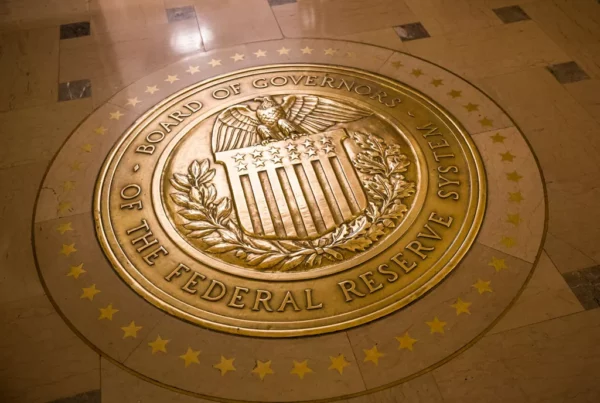
Faced with the wall of debt, the FED will buy treasury bonds if the situation becomes tense. We already experienced this last May/June. Yields suddenly spiked, fuelled by sudden and unexpected sales of Japanese treasury bonds. Equity markets began to sway before the Fed intervened on the sly by buying Treasury bonds. An effective operation that restored calm to the market and prevented yields from spiralling out of control. “A sort of nationalisation of the secondary debt market,” sums up Christopher Dembik.
Stabelcoin… a white knight
Paradoxically, or anecdotally, or as an illustration of these upheavals, crypto stablecoins will contribute to the… stability of US Treasury bonds.
Another support for the US debt market is a… cryptocurrency, stablecoin. Each dollar issued in the cryptocurrency must be backed by a $1 purchase of US Treasury bonds (Genius Act). If the crypto ecosystem continues to grow, demand for stablecoins will increase, boosting purchases of US Treasuries. In 2024, stablecoin issuers bought a whopping 40 billion treasury bonds, double the amount purchased by Japanese institutions, which are among the largest holders of US debt.
The recession, the winter season of an economic cycle, is on the way out
If global warming is disrupting the seasons, a similar phenomenon seems to be occurring in the economy too. As a result of the Fed’s heightened vigilance, any credit crunch can be avoided, as can… the risk of recession. This is because, in the past, recessions have often been the consequence of a credit problem. “Worries about a US recession are not part of our vision,” continues the Pictet AM strategist, who adds: “It may not be totally relevant but the last recession was 16 years ago, excluding the covid period.”
The dollar continues to slide
The dollar should continue to slide towards 1.20 by the end of 2025, and even 1.30 in 2026, according to the specialists at Pictet AM. This adjustment comes against the backdrop of a dollar that is still overvalued, despite the correction of more than 12% against the euro this year. However, there is no doubt that the dollar will retain its international role, according to Christopher Dembik: “we are still a long way from the greenback’s status being called into question”
Inflationary pressures, a consequence of US protectionism, will exist but will remain far from a hyper-inflationary scenario.
China returns..
China’s stimulus policy, both fiscal and monetary, is becoming solid. With credit momentum reaching its highest level since the post-Covid boom.
An important signal observed by Christopher Dembik: “Hedge funds have never bought so many Chinese shares in July. The Chinese market is regaining its appeal
France, Europe’s dunce?
Italy may no longer be the dunce of Europe’s class, but France is busy taking its place. France is now close to wearing the dunce’s cap with a debt deemed as risky as Italian debt. France’s 30-year yield has soared to its highest level since the eurozone crisis. However, Christopher Dembik tempers this gloomy view of the French situation. “The situation in France is not catastrophic. Demand for French debt remains strong in the market, as evidenced by the latest auctions. Of course, foreign investors demand a slightly higher return as a bonus And the ECB will play its protective role by acting as a last resort in the event of severe tensions.
Historically, budgetary periods are good times for equities to rise, less so for bonds. An overweight in US equities, again in artificial intelligence but also, with rising demand for electricity, in environmental equities (particularly solar), supported by tax credits that have been extended. Money market funds, on the other hand, will lose some of their appeal with the fall in the cost of money, releasing flows that will bolster the rise in equities.
Did you say bubble?
Faced with successive Nasdaq records, some fear the formation of an artificial intelligence bubble. The strategist at Pictet AM refutes this assertion. Since November 2022, the earnings growth of the Magnificent Seven, which has been accompanied by strong cash generation, has risen in tandem with their share prices. While innovation remains at the heart of these AI companies. NVIDIA maintains a record sales margin of 55%…and continues to buy back shares (on the up) thanks to its strong cash generation. The company remains the most profitable, ahead of Alphabet.
Without setting aside the bond market, emerging market debt in local currencies is relevant, bolstered by the fall in the dollar and controlled volatility. “This asset class is a great opportunity for the future, a solution to the anxiety of high debt in developed countries, with yields of over 7%,” concludes Pictet AM’s strategist. And a complete change of trend. Debt has become more of a problem for the G10 countries than for the emerging countries, where it is half the size.







In the triangle of uncertainties: AI, Fed and elections